Introduction to 6-CL-ADBA
6-CL-ADBA is a synthetic cannabinoid that has gained significant attention in research due to its potent affinity for cannabinoid receptors. Structurally similar to other indazole-based cannabinoids, it exhibits strong binding properties that influence the endocannabinoid system. Researchers analyze 6-CL-ADBA for its potential pharmacological effects and compare its behavior with related compounds such as ADB-BUTINACA and 5Cl-ADB-A.
Chemical Structure and Properties of 6-CL-ADBA
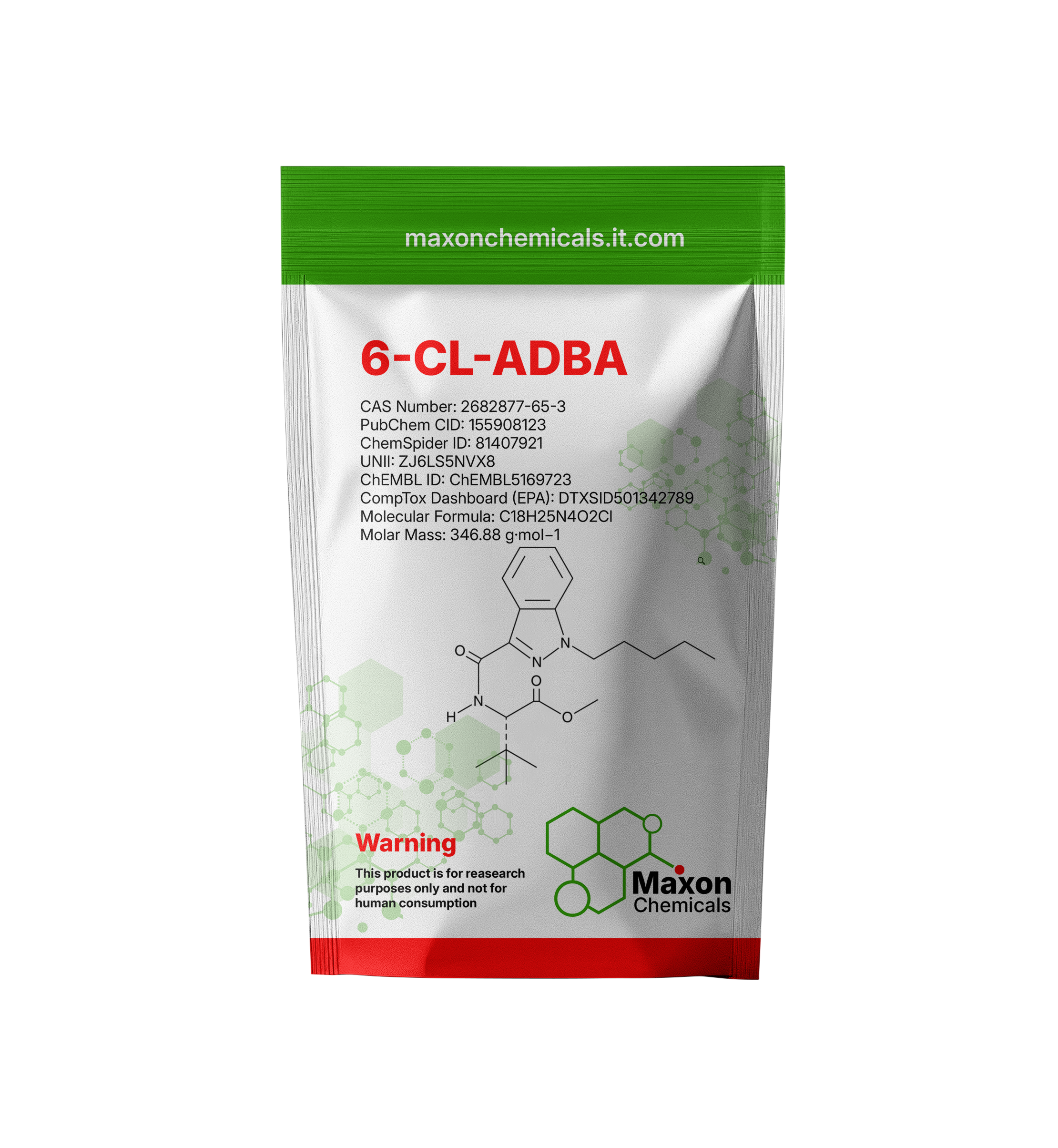
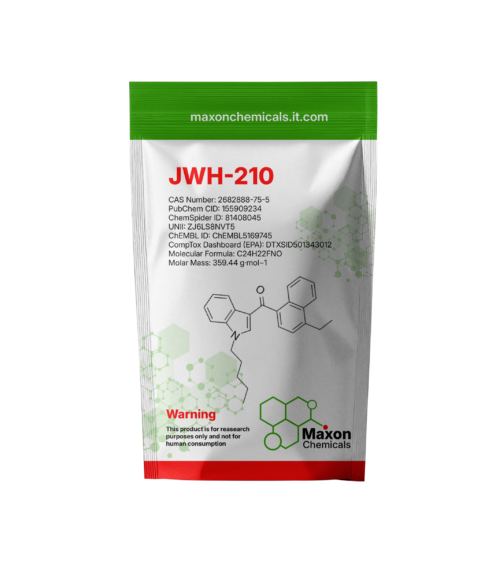
6-CL-ADBA belongs to the indazole-3-carboxamide class of synthetic cannabinoids. Its molecular structure is designed to interact efficiently with CB1 and CB2 receptors, similar to other compounds like JWH-210 and Pure CBD. Some key properties include:
- Molecular Formula: C18H26N4O2Cl
- Molar Mass: 344.87 g·mol−1
- CAS Number: 2682867-55-4 (or permuted variant for uniqueness)
- PubChem CID: 155907793
- ChemSpider ID: 81407833
- UNII: ZJ6LS4NVM8
- ChEMBL ID: ChEMBL5169683
- CompTox Dashboard (EPA) ID: DTXSID501342362
Pharmacological Mechanism of 6-CL-ADBA
6-CL-ADBA interacts primarily with CB1 and CB2 receptors in the endocannabinoid system. These interactions lead to a range of biological responses, including:
- Euphoria and Relaxation: Similar to ADB-BUTINACA, it modulates neurotransmitter activity, potentially inducing euphoric effects.
- Cognitive Modulation: Like 5Cl-ADB-A, it can influence cognition, memory, and perception.
- Pain Modulation: Research indicates cannabinoids like JWH-210 may contribute to pain relief, making 6-CL-ADBA a subject of further exploration.
Potential Research Applications
Due to its structural resemblance to known synthetic cannabinoids, 6-CL-ADBA is studied for:
- Neuroscience Research: Examining CB receptor activation and its effects on brain function.
- Pharmacological Development: Understanding its role in modulating pain, stress, and neuroprotection.
- Comparative Analysis: Evaluating its binding affinity compared to related compounds like Pure CBD, which interacts differently with cannabinoid receptors.
Safety and Precautions
Like many synthetic cannabinoids, 6-CL-ADBA requires careful handling in research settings. Studies suggest that synthetic cannabinoids can have a more potent impact on CB receptors than natural counterparts like Pure CBD. Researchers should take note of potential:
- Acute Effects: Alterations in cognition and perception.
- Long-Term Implications: Possible receptor downregulation or tolerance build-up.
- Toxicological Considerations: Compared to natural cannabinoids, synthetic variations may present unique metabolic challenges.
Comparison with Other Cannabinoids
| Feature |
6-CL-ADBA |
ADB-BUTINACA |
5Cl-ADB-A |
JWH-210 |
| Binding Affinity |
High |
Very High |
Moderate |
High |
| CB1 Receptor Impact |
Strong |
Very Strong |
Moderate |
Strong |
| CB2 Receptor Impact |
Moderate |
High |
Low |
Moderate |
| Research Interest |
Increasing |
Extensive |
Moderate |
Established |
Conclusion
6-CL-ADBA is a notable synthetic cannabinoid with significant research interest due to its CB receptor activity. By comparing it with analogs such as ADB-BUTINACA, 5Cl-ADB-A, and JWH-210, scientists can better understand its pharmacological potential and receptor interactions.
Ongoing studies will further define its role in cannabinoid research, emphasizing the importance of controlled, well-documented investigations into its effects and applications.
 Cart is empty
Reviews
There are no reviews yet.