 Cart is empty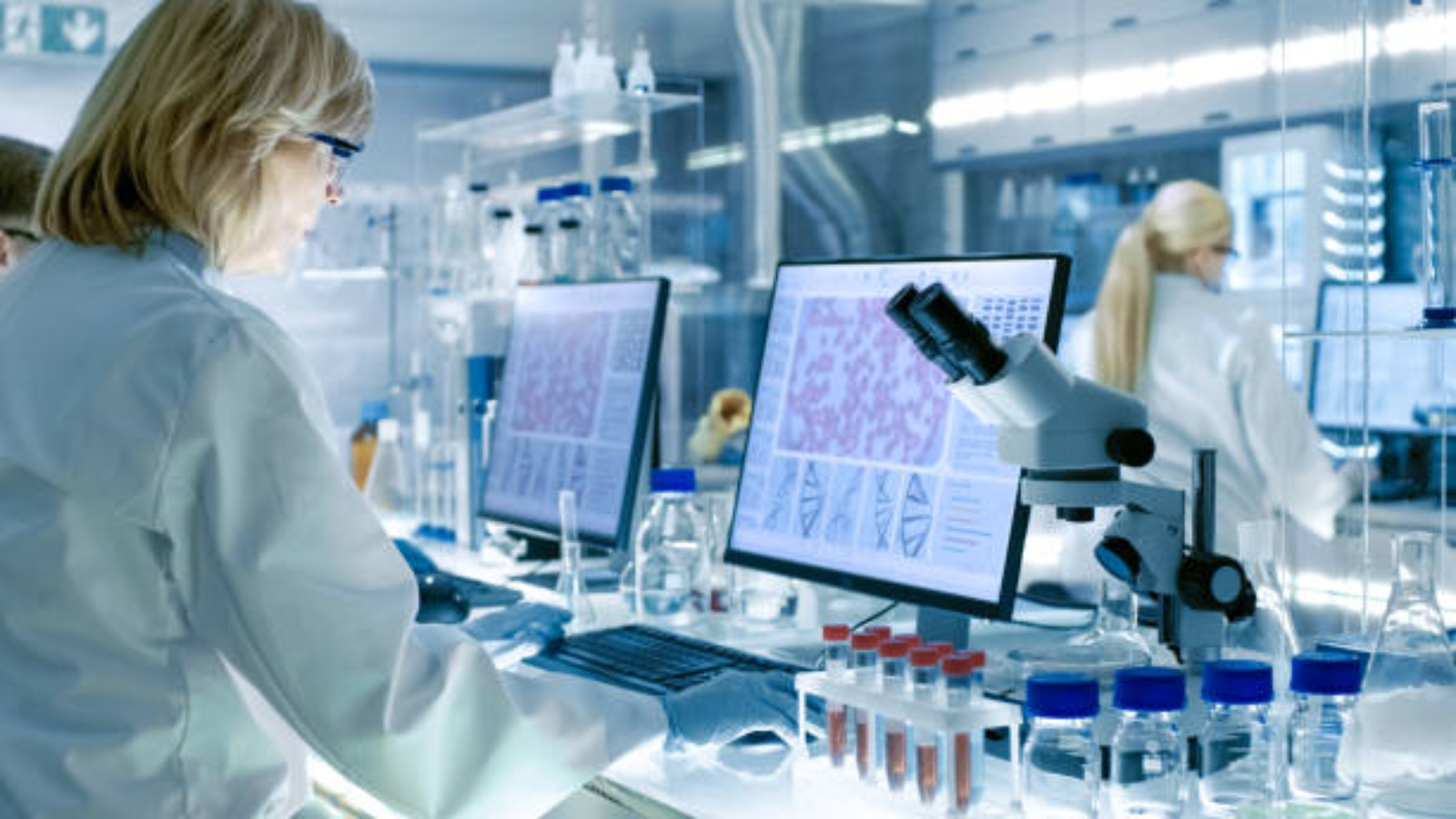
How to Identify High-Purity Research Chemicals
How to Identify High-Purity Research Chemicals
Identify high-purity research chemicals correctly, and you ensure that laboratory experiments produce accurate, reliable data. Purity is one of the most important factors in scientific research, as even small amounts of contamination can alter results. This guide explores methods, tools, and best practices that researchers use to guarantee they are working with high-quality compounds.
Why Purity Matters in Research
Purity is the foundation of trustworthy scientific results. Impure compounds can cause unexpected reactions, leading to inaccurate findings. Substances such as 3-CMC and 2-MMC must be verified for quality before researchers use them in controlled environments. Reliable data begins with clean materials.
Visual Inspection and Initial Checks
One way to begin evaluating purity is with a simple visual inspection. While this method is not conclusive, differences in texture, color, or crystallization can indicate impurities. For example, compounds like MDPHP are usually delivered in a consistent powder form. Any variation may signal contamination and require further testing.
Laboratory Testing Methods
The best way to identify high-purity research chemicals is through laboratory analysis. Common methods include:
- Gas Chromatography (GC): Separates compounds to detect contaminants.
- Mass Spectrometry (MS): Confirms molecular composition.
- Nuclear Magnetic Resonance (NMR): Analyzes structural details of molecules.
Researchers apply these methods when studying substances like JWH-210 or ADB-BUTINACA to confirm purity before experimentation.
Certificates of Analysis (COA)
Reputable vendors provide Certificates of Analysis with their products. These documents list testing results, batch information, and quality control measures. When purchasing chemicals such as 6-CL-ADBA or 5Cl-ADB-A, researchers should request a COA to verify authenticity and purity.
Trusted Vendors and Sourcing
Another way to ensure quality is to buy from reliable suppliers. For example, Pure CBD and other laboratory-grade compounds sold by trusted providers undergo rigorous testing before distribution. Avoiding unknown or unverified sources reduces the risk of receiving impure or mislabeled substances.
Comparing Research Chemicals with Controlled Substances
Unlike controlled substances, which are regulated and tested by government agencies, many research compounds remain in legal gray areas. This makes vendor accountability and independent testing critical. For instance, cannabinoids like ADB-BUTINACA require strict lab verification, as highlighted in peer-reviewed studies.
Storage and Handling Impact Purity
Even the highest-quality chemical can degrade without proper storage. Research compounds like 3-CMC and MDPHP should be kept in airtight containers, away from light and moisture. Following these guidelines prevents contamination and maintains integrity over time.
Ethical Considerations in Purity Testing
Ensuring accuracy in purity testing is not only a scientific necessity but also an ethical responsibility. Researchers must avoid overstating results and should conduct repeated tests to confirm findings. Substances like 2-MMC and JWH-210 provide valuable insights when handled with integrity.
Conclusion: How to Identify High-Purity Research Chemicals
Learning how to identify high-purity research chemicals ensures laboratory safety and reliable outcomes. Through visual checks, laboratory testing, Certificates of Analysis, and sourcing from trusted vendors, scientists can confirm the quality of compounds like 6-CL-ADBA, 5Cl-ADB-A, and Pure CBD. Maintaining high standards not only protects researchers but also strengthens scientific knowledge.
Add a Comment