 Cart is empty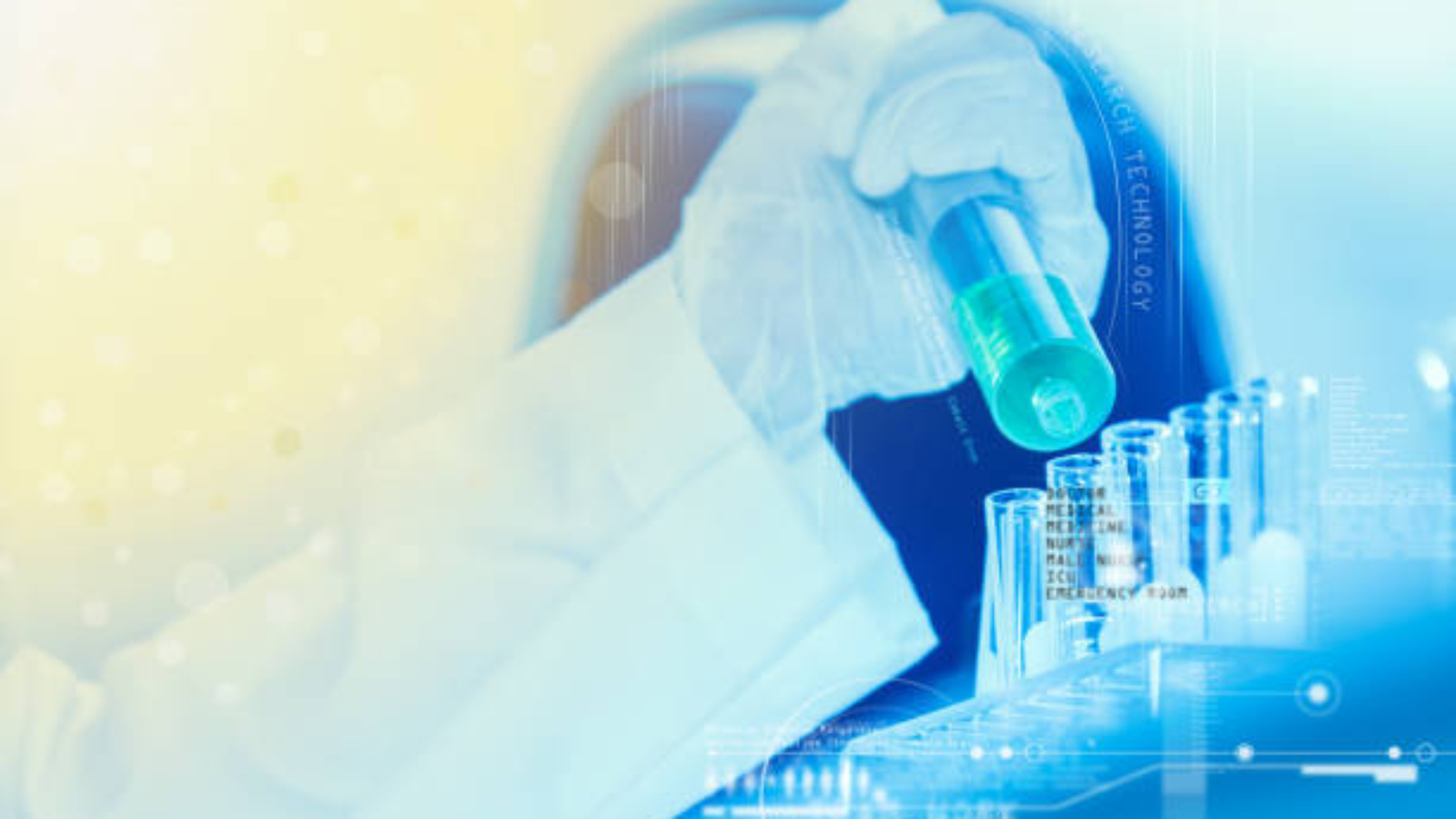
The Future of Designer Drugs in Laboratory Testing
Designer Drugs Laboratory Testing: Future Trends and Insights
Designer Drugs Laboratory Testing is evolving rapidly as researchers explore new synthetic compounds to understand their pharmacological and toxicological effects. High-quality research chemicals like 3-CMC, MDPHP, and 5-MAPB are critical tools in laboratories for controlled studies, enabling advances in neuroscience, pharmacology, and toxicology.
Introduction to Designer Drugs in Laboratory Research
Designer drugs are chemically modified compounds intended to mimic the effects of controlled substances. In laboratory testing, these compounds are studied for:
- Pharmacodynamics and receptor interactions.
- Metabolism, bioavailability, and safety assessment.
- Potential therapeutic or research applications.
Key Compounds in Laboratory Testing
Emerging designer drugs that are actively researched include:
- 3-CMC – Synthetic stimulant analog used in neurochemical and behavioral research.
- 2-MMC – Explored for stimulant properties in controlled lab studies.
- MDPHP – Investigated for toxicology, pharmacokinetics, and neuropharmacology.
- 5-MAPB – Used as a psychoactive research analog under strict lab conditions.
Applications in Laboratory Testing
Designer drugs are applied across multiple research disciplines:
- Neuroscience: Studying receptor binding, neurotransmitter activity, and cognitive effects.
- Pharmacology: Evaluating dose-response relationships, bioavailability, and metabolism.
- Toxicology: Assessing safety, toxicity, and behavioral outcomes.
- Analytical Chemistry: Developing accurate detection and quantification methods for emerging compounds.
Safety and Compliance Considerations
Working with designer drugs requires strict laboratory safety measures:
- Use of personal protective equipment (PPE) such as gloves, goggles, and lab coats.
- Proper storage of chemicals like MDPHP and 5-MAPB in temperature-controlled, secure environments.
- Regularly updated SDS sheets and adherence to spill prevention protocols.
- Compliance with regulatory frameworks such as REACH and EMA guidelines.
Emerging Trends in Laboratory Testing
The future of designer drugs in laboratory testing includes:
- AI-assisted prediction of molecular activity and toxicity.
- Development of safer analogs to reduce lab hazards.
- Enhanced analytical methods, including HPLC, GC-MS, and NMR.
- Collaborative data sharing among academic and pharmaceutical institutions to improve reproducibility and reliability.
Conclusion
Designer Drugs Laboratory Testing is poised for significant advancements as new synthetic compounds emerge and technology improves. Utilizing high-quality chemicals from trusted suppliers like Maxon Chemicals, researchers can conduct innovative, safe, and compliant studies in neuroscience, pharmacology, and toxicology.
Add a Comment