 Cart is empty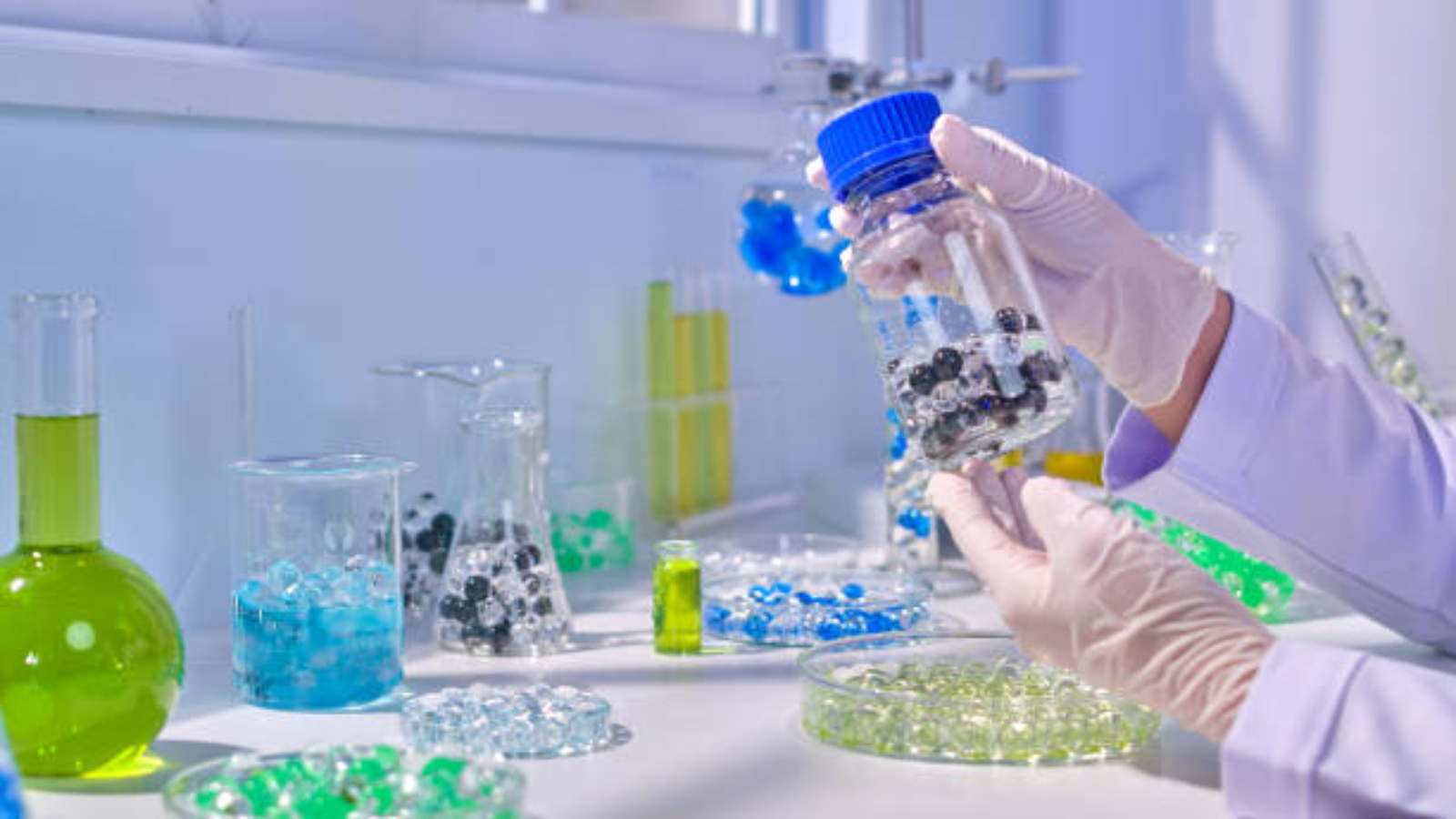
Why Demand for CBD Research Continues to Grow
CBD Research Demand: Growing Trends and Insights
CBD Research Demand is rising as scientists explore the therapeutic, neurological, and pharmacological potential of cannabinoids. Compounds such as Pure CBD are at the forefront of laboratory research, driving innovation in neuroscience, pharmacology, and toxicology studies while complying with regulatory standards.
Introduction to CBD Research
Researchers are increasingly focused on CBD due to its non-psychoactive properties, potential therapeutic applications, and safer profile compared to synthetic cannabinoids. This growing interest is fueled by its versatility in laboratory research.
Key Applications Driving CBD Research
- Neuroscience: Studying neuroprotective effects, cognitive functions, and receptor interactions using Pure CBD.
- Pharmacology: Evaluating metabolism, dose-response, and pharmacokinetics for potential therapeutic applications.
- Toxicology: Assessing safety profiles and understanding biological effects without psychoactive risks.
- Analytical Chemistry: Developing precise detection and quantification methods for CBD in lab samples.
Factors Contributing to Increased Demand
Several factors are driving the growth of CBD research:
- Rising interest in natural, safer chemical alternatives compared to synthetic cannabinoids.
- Regulatory acceptance of non-psychoactive compounds for research and clinical trials.
- Advancements in laboratory techniques enabling detailed study of pharmacological effects.
- Integration of AI and predictive modeling to optimize experimental outcomes.
Safety and Laboratory Protocols
Handling CBD in research settings requires adherence to safety standards:
- Use of personal protective equipment (PPE) such as gloves, goggles, and lab coats.
- Proper storage of compounds like Pure CBD under controlled conditions.
- Maintaining up-to-date SDS sheets for lab safety.
- Compliance with EU and national regulations for cannabinoid research.
Emerging Trends in CBD Research
Future directions in CBD research include:
- Expanding studies on neuroprotective and anti-inflammatory effects.
- Comparative studies with synthetic cannabinoids like JWH-210 to evaluate safety and efficacy.
- Use of advanced analytical methods for accurate detection and quantification.
- Collaboration between academic, pharmaceutical, and regulatory institutions to standardize protocols and safety measures.
Conclusion
CBD Research Demand continues to grow as laboratories prioritize safer, non-psychoactive compounds for neuroscience, pharmacology, and toxicology studies. By sourcing high-quality chemicals like Pure CBD from trusted suppliers such as Maxon Chemicals, researchers can drive innovation while maintaining safety and compliance.
Add a Comment