Purity Testing in Modern Labs: Why It Matters

The Importance of Purity Testing in Modern Labs

Purity Testing in Modern Labs: Why It Matters

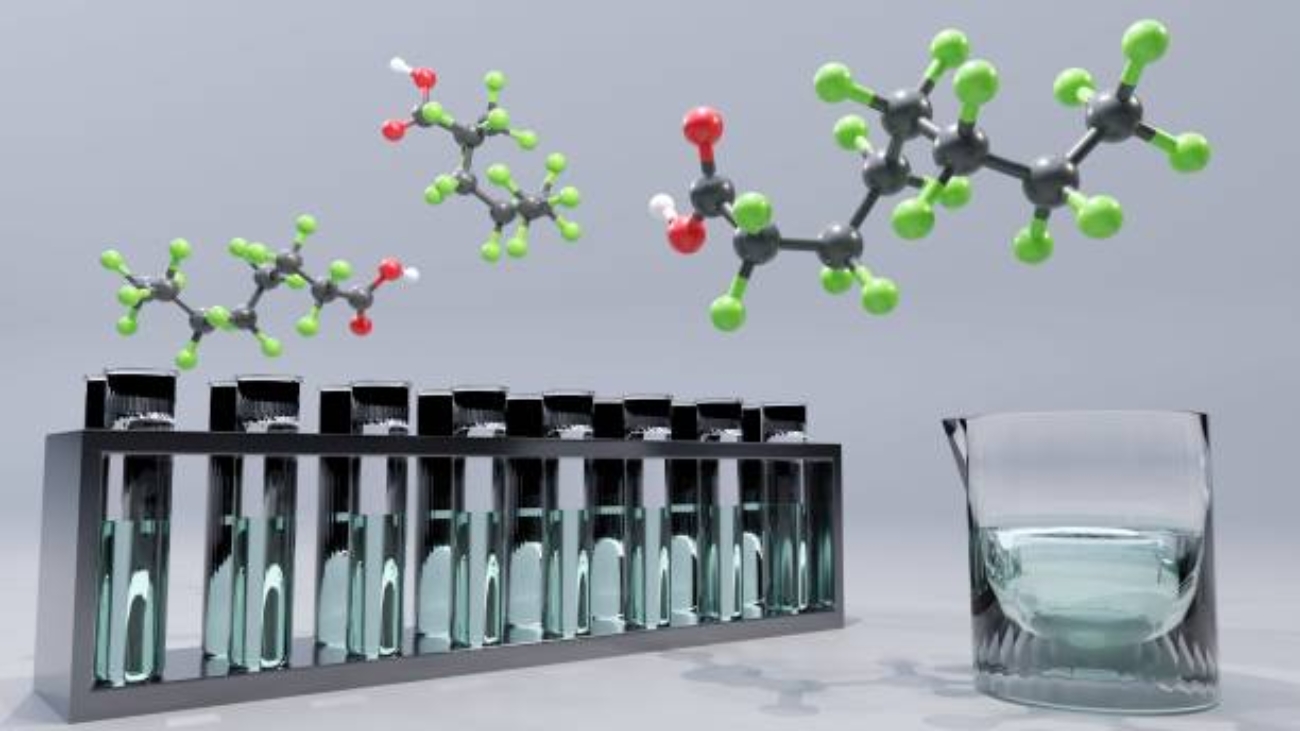
Purity testing in modern labs plays a crucial role in ensuring that research chemicals meet the standards required for safe and reliable scientific work. For researchers, accurate results depend on the quality of the substances used. Even small impurities can alter outcomes, compromise safety, and reduce reproducibility. This is why advanced laboratories prioritize rigorous purity analysis before conducting experiments.

What Is Purity Testing?

Purity testing is the process of evaluating a chemical sample to determine the presence of impurities or contaminants. In research environments, this includes methods such as:

  • High-performance liquid chromatography (HPLC)
  • Gas chromatography-mass spectrometry (GC-MS)
  • Nuclear magnetic resonance (NMR) spectroscopy
  • Infrared (IR) spectroscopy

These methods allow scientists to detect even trace levels of unwanted compounds that could impact results.

Why Purity Testing Matters for Research Chemicals

Laboratories working with synthetic cathinones such as 3-CMC or 2-MMC rely on precise purity testing to avoid errors in pharmacological or toxicological studies. The same applies to cannabinoids like JWH-210 and Pure CBD, where purity directly affects receptor mapping experiments.

Applications in Toxicology and Forensic Studies

In toxicology, knowing the exact composition of compounds such as MDPHP is essential for accurate dose-response analysis. Forensic laboratories also depend on purity testing to ensure correct identification of substances in criminal investigations, where a miscalculation could affect legal outcomes.

Ensuring Safety in Lab Environments

Impurities can introduce unexpected reactions and hazards. Modern labs use purity testing to:

  • Prevent chemical instability during storage.
  • Reduce risks of toxic byproducts.
  • Maintain compliance with regulatory standards.

Researchers handling synthetic cannabinoids like ADB-BUTINACA or 5Cl-ADB-A benefit from knowing that their samples are both stable and reliable.

Technological Advances in Purity Testing

Modern labs increasingly use AI-driven analytics and automated chromatography to improve precision. These tools allow faster identification of contaminants and better quality control, aligning with international regulatory expectations such as those set by ISO standards.

Conclusion

Purity testing in modern labs ensures that research chemicals are safe, reliable, and suitable for advanced experimentation. By adopting state-of-the-art testing methods, laboratories protect both researchers and the integrity of their studies. Trusted suppliers like Maxon Chemicals provide compounds that meet strict quality requirements, complete with detailed testing documentation for confidence in every experiment.


Related Resources

Using 5-MAPB in Controlled Lab Experiments

Using 5-MAPB in Controlled Lab Experiments

Using 5-MAPB in Controlled Lab Experiments

5-MAPB in controlled lab experiments offers researchers valuable opportunities to study its structural and functional characteristics. As a synthetic compound structurally related to MDMA, 5-MAPB has gained attention in pharmacological and toxicological research. When applied in strictly monitored conditions, it provides insight into receptor activity, behavioral effects, and safety profiles.

Why Researchers Study 5-MAPB

5-MAPB is of interest due to its unique structural relationship with MDMA and its potential to interact with serotonin and dopamine systems. Unlike consumer products, its use is strictly limited to research settings, where it helps scientists:

  • Compare structure-activity relationships with other phenethylamines.
  • Evaluate potential toxicological effects.
  • Develop models for behavioral and neurological studies.
  • Establish analytical detection methods in forensic science.

Controlled Lab Applications

In controlled laboratory experiments, 5-MAPB can be applied in multiple areas:

  • Pharmacology: Studying receptor binding affinity and neurotransmitter interactions.
  • Toxicology: Assessing dosage thresholds, safety margins, and toxicological responses.
  • Analytical chemistry: Creating detection protocols for forensic and clinical testing.
  • Behavioral studies: Exploring potential effects on activity and response models.

Safety Guidelines in Lab Settings

When using 5-MAPB in research, strict safety protocols are essential. Proper handling procedures include:

  • Utilizing personal protective equipment (PPE) such as gloves and lab coats.
  • Following standard operating procedures for measurement and dosing.
  • Documenting all applications in accordance with regulatory requirements.
  • Storing the compound in secure, temperature-controlled environments.

Comparisons With Related Compounds

5-MAPB is often compared with MDMA and other substituted phenethylamines. These comparisons highlight differences in potency, receptor selectivity, and potential toxicity. Such studies ensure a better understanding of how analogues can be applied in different research contexts.

Conclusion

5-MAPB in controlled lab experiments continues to provide researchers with vital insights into pharmacology, toxicology, and analytical chemistry. By adhering to strict safety guidelines and maintaining precise experimental controls, labs can maximize the value of this compound for scientific advancement. Reliable suppliers such as Maxon Chemicals provide high-purity 5-MAPB to ensure accuracy in research applications.

Related Resources

Case Study: Cross-Comparisons Between Synthetic Cannabinoids

Case Study: Cross-Comparisons Between Synthetic Cannabinoids

Cross-comparisons of synthetic cannabinoids allow researchers to better understand how small molecular changes influence pharmacological outcomes. By examining compounds such as JWH-210, 6-CL-ADBA, ADB-BUTINACA, and 5Cl-ADB-A, scientists gain insights into receptor binding, potency, and stability.

Why Cross-Comparisons Matter in Research

Synthetic cannabinoids are designed to mimic or alter the activity of naturally occurring compounds like THC. Cross-comparisons highlight how structural analogues vary in:

  • Binding affinity to CB1 and CB2 receptors.
  • Metabolic pathways and breakdown products.
  • Stability under laboratory storage conditions.
  • Potential applications in pharmacology and toxicology studies.

Structural Differences Among Key Cannabinoids

Each compound offers unique research value. For example:

  • JWH-210: Known for its strong CB1 receptor binding.
  • 6-CL-ADBA: Distinguished by halogen substitution, affecting receptor selectivity.
  • ADB-BUTINACA: Popular in labs for its balance between potency and stability.
  • 5Cl-ADB-A: Studied for its unique binding profile and structural resilience.

Applications in Laboratory Studies

Cross-comparisons between synthetic cannabinoids allow labs to:

  • Develop more accurate receptor mapping models.
  • Design toxicity studies with comparative benchmarks.
  • Analyze how substitutions influence biological activity.
  • Establish analytical standards for forensic applications.

Challenges in Cross-Comparisons

One of the main difficulties researchers face is the constantly evolving nature of synthetic cannabinoids. New analogues are frequently introduced, requiring ongoing comparative studies. Variability in potency also demands careful handling, accurate measurements, and standardized testing protocols.

Case Study Insights

When comparing JWH-210 with ADB-BUTINACA, researchers note differences in binding efficiency and duration of activity. Meanwhile, 6-CL-ADBA and 5Cl-ADB-A showcase how halogen substitutions alter receptor selectivity. These insights guide both toxicology and pharmacological studies.

Conclusion

Cross-comparisons of synthetic cannabinoids provide essential data for advancing research in pharmacology, toxicology, and forensic science. By studying analogues side by side, labs can refine methodologies and improve accuracy. Trusted suppliers like Maxon Chemicals ensure consistent, high-purity compounds for controlled comparative studies.

Related Resources

The Role of Research Chemicals in Education & Training

The Role of Research Chemicals in Education & Training

The Role of Research Chemicals in Education & Training

Research chemicals education training plays a vital role in preparing students, researchers, and laboratory professionals for real-world scientific applications. By integrating synthetic compounds such as 3-CMC, 2-MMC, and Pure CBD into structured learning, institutions ensure that trainees gain both theoretical and practical knowledge in chemical research.

Why Research Chemicals Are Important in Education

Hands-on learning is crucial in chemical sciences. Using compounds like 5-MAPB or MDPHP, students can study structural variations, receptor interactions, and analytical methods. These opportunities build competence and confidence for careers in toxicology, pharmacology, and forensic science.

Applications in Laboratory Training

Training programs that incorporate research chemicals help participants master:

  • Safe handling procedures using compounds like JWH-210.
  • Proper storage and stability management of synthetic cannabinoids such as 6-CL-ADBA.
  • Analytical techniques for testing cathinones like 3-CMC and 2-MMC.

Educational Value in Toxicology and Pharmacology

Research chemicals are valuable teaching tools for demonstrating how minor molecular changes affect biological activity. For example, comparing ADB-BUTINACA with 5Cl-ADB-A highlights how structural analogues influence receptor binding and potency. This type of comparative study deepens understanding of pharmacodynamics.

Training for Forensic Applications

Forensic science education frequently relies on research chemicals to prepare future professionals. By analyzing compounds such as MDPHP, students learn how toxicological screenings are designed and validated. This real-world application strengthens the accuracy and reliability of forensic investigations.

Compliance and Safety in Education

Educational programs emphasize compliance with international standards like EU REACH regulations. Training covers topics such as safe handling, spill management, and ethical use of experimental compounds. These safeguards protect both researchers and laboratory environments.

Future Directions in Research Training

As new compounds such as 6-CL-ADBA and ADB-BUTINACA emerge, training programs must adapt. Research chemicals education training is evolving toward integrating AI-based analysis, digital lab simulations, and cross-disciplinary modules for neuroscience, pharmacology, and toxicology.

Conclusion

Research chemicals education training provides a foundation for building the next generation of scientists. By incorporating synthetic cathinones, cannabinoids, and novel compounds into teaching, institutions help researchers develop the technical expertise and ethical responsibility needed for modern science. With trusted suppliers such as Maxon Chemicals, labs and universities gain access to consistent, high-purity compounds for both learning and discovery.

Related Resources

Real-World Applications of 2-MMC in Analytical Labs

Real-World Applications of 2-MMC in Analytical Labs

Real-World Applications of 2-MMC in Analytical Labs

2-MMC analytical labs rely on this synthetic cathinone for studies in toxicology, forensic science, and pharmacology. Known for its structural similarities to 3-CMC, 2-MMC provides a reliable model for examining stimulant activity, receptor binding, and structure-activity relationships in controlled laboratory settings.

Why 2-MMC Matters in Analytical Research

2-MMC (2-Methylmethcathinone) is widely used in laboratories due to its predictable properties and clear structural profile. Its applications help researchers understand how cathinones influence neurotransmitters such as dopamine and serotonin. This makes 2-MMC an essential reference point for both comparative and standalone studies.

Comparing 2-MMC with Other Cathinones

When compared to compounds like MDPHP and 3-CMC, 2-MMC demonstrates differences in potency and receptor affinity. Analytical labs leverage these comparisons to build toxicological databases and pharmacological models that reflect real-world chemical diversity.

Applications in Toxicology

Toxicologists use 2-MMC to establish detection protocols in biological samples. By studying its metabolites, researchers can enhance forensic toxicology screenings. This ensures accurate identification of synthetic cathinones during routine lab testing.

Pharmacological Studies

Pharmacologists value 2-MMC for its structural resemblance to other stimulants like 5-MAPB. Its role in receptor mapping contributes to understanding stimulant action, dose-response relationships, and potential therapeutic insights.

Forensic Applications

In forensic science, 2-MMC is critical for training detection methodologies. Law enforcement and forensic labs use the compound as a control sample to validate tests on seized materials. These applications contribute to reliable courtroom evidence and investigative accuracy.

Complementary Compounds in Analytical Labs

Alongside 2-MMC, synthetic cannabinoids like JWH-210, ADB-BUTINACA, and 5Cl-ADB-A expand the research landscape. Analytical labs often test these in combination to evaluate cross-receptor activity and poly-drug interactions.

Ethical and Legal Considerations

Like other research chemicals, 2-MMC must be handled under strict ethical and legal frameworks. European labs comply with REACH regulations to ensure responsible research. Ethical oversight protects both researchers and the integrity of data produced.

Conclusion

2-MMC analytical labs continue to advance knowledge in pharmacology, toxicology, and forensic science. By combining this compound with related chemicals such as MDPHP and 3-CMC, researchers gain a comprehensive understanding of synthetic cathinones and their broader impact on public health and safety.

Related Resources

Using Phenethylamines in Behavioral Research | Usage

Using Phenethylamines in Behavioral Research

Using Phenethylamines in Behavioral Research

Phenethylamines behavioral research has become an important area of focus in modern neuroscience and pharmacology. These compounds, which include both natural and synthetic analogues, offer unique insights into cognition, mood regulation, and sensory processing. For laboratories, phenethylamines serve as valuable tools to study how chemical structures influence behavior.

What Are Phenethylamines?

Phenethylamines are a broad class of compounds derived from the phenethylamine backbone, which occurs naturally in the human brain. Synthetic analogues of phenethylamines have been developed to explore their effects on neurotransmitters, making them important in behavioral research.

The Role of Phenethylamines in Behavioral Studies

Researchers use phenethylamines to analyze changes in perception, mood, and cognition. Their interaction with serotonin and dopamine receptors provides measurable data that aids in mapping behavioral responses. In controlled lab environments, these compounds help examine experimental questions around learning, memory, and reward systems.

Comparing Phenethylamines with Other Research Chemicals

In addition to phenethylamines, many researchers rely on 3-CMC, 2-MMC, and 5-MAPB for stimulant-related studies. Similarly, cannabinoids like JWH-210 and Pure CBD are employed in neurological mapping. By comparing phenethylamines with these other compounds, scientists can differentiate between stimulant, empathogenic, and receptor-specific effects.

Applications in Neuroscience

Phenethylamines provide insights into:

  • Cognitive function and working memory.
  • Mood regulation and emotional processing.
  • Behavioral changes linked to neurotransmitter activity.

Pharmacological Insights

From a pharmacological perspective, phenethylamines highlight the importance of structure-activity relationships. Minor modifications in chemical structure—similar to differences between MDPHP and other stimulants—can drastically alter potency and behavioral outcomes. This makes them useful for controlled receptor-binding studies.

Ethical Considerations in Phenethylamine Studies

Like other research chemicals, phenethylamines must be studied under strict ethical and regulatory guidelines. Researchers working in the EU, for example, comply with REACH regulations to ensure lab safety and legal compliance. Ethical frameworks also demand that behavioral experiments prioritize safety and data integrity.

Limitations and Risks

Phenethylamines can be potent, and misuse outside laboratory settings carries risks. Their variability in metabolism and potency requires precise dosing, accurate documentation, and professional oversight. This is why standardized suppliers like Maxon Chemicals are critical for consistent research quality.

Conclusion

Phenethylamines behavioral research remains a cornerstone of modern experimental pharmacology. With their ability to impact cognition and behavior, they provide unmatched insights for neuroscientists and behavioral researchers. When paired with compounds like 5-MAPB, 3-CMC, or CBD, phenethylamines form part of a larger research landscape that is shaping the future of behavioral science.

Related Resources

How Synthetic Cannabinoids Aid in Receptor Mapping

How Synthetic Cannabinoids Aid in Receptor Mapping

How Synthetic Cannabinoids Aid in Receptor Mapping

Synthetic Cannabinoids Receptor Mapping has become an essential method in modern pharmacology and neuroscience. By using laboratory-created compounds such as JWH-210, ADB-BUTINACA, and 5Cl-ADB-A, researchers can analyze how these molecules interact with CB1 and CB2 receptors across the central and peripheral nervous system.

What Is Receptor Mapping?

Receptor mapping involves studying how compounds bind to and influence biological receptors. For cannabinoids, this typically means the CB1 and CB2 receptors, which are part of the endocannabinoid system. Mapping these interactions helps scientists understand drug effects, receptor sensitivity, and therapeutic potential.

The Role of Synthetic Cannabinoids

Unlike pure CBD or natural cannabis derivatives, synthetic cannabinoids are designed with structural variations. These modifications allow researchers to:

  • Test receptor selectivity and binding strength.
  • Compare structural analogues like 6-CL-ADBA with naturally occurring cannabinoids.
  • Identify potential therapeutic pathways beyond psychoactive effects.

Applications in Neuroscience

In neurological research, receptor mapping with synthetic cannabinoids aids in:

  • Understanding synaptic plasticity and neurotransmitter release.
  • Exploring the role of cannabinoid receptors in memory and mood regulation.
  • Investigating neuroprotective effects in degenerative disease models.

Pharmacology and Toxicology Insights

Synthetic cannabinoids provide reference data for toxicologists and pharmacologists. By comparing compounds such as ADB-BUTINACA and 5Cl-ADB-A, scientists gain insights into potency, metabolism, and safety thresholds. These comparisons are crucial for forensic toxicology and drug safety research.

Advantages of Using Synthetic Cannabinoids

Key benefits of synthetic cannabinoids in receptor mapping include:

  • Customizable structures for targeted research.
  • Stronger binding affinities compared to natural cannabinoids.
  • Ability to isolate receptor activity without plant-based impurities.

Limitations and Ethical Considerations

While valuable, synthetic cannabinoids can be extremely potent, leading to toxicity risks. Ethical guidelines and regulatory frameworks, such as EU REACH regulations, ensure that receptor mapping studies prioritize safety and compliance.

Conclusion

Synthetic Cannabinoids Receptor Mapping offers scientists a powerful tool for exploring the endocannabinoid system. With compounds like JWH-210 and 6-CL-ADBA available from trusted suppliers such as Maxon Chemicals, laboratories can advance research in neuroscience, pharmacology, and toxicology with precision and reliability.

Related Resources

CBD as a Control Compound in Neurological Studies

CBD as a Control Compound in Neurological Studies

CBD as a Control Compound in Neurological Studies

CBD Control Compound Neurological Studies highlight the growing use of cannabidiol as a reference point in laboratory settings. While synthetic cannabinoids and stimulants remain the focus of many projects, pure CBD provides researchers with a safe, stable, and well-characterized compound to benchmark results.

Why CBD Works as a Control Compound

CBD’s appeal lies in its predictable pharmacological profile and legal accessibility. Unlike synthetic cannabinoids such as JWH-210 or ADB-BUTINACA, CBD does not produce intense psychoactive effects. This makes it an effective comparator when testing new molecules.

Applications in Neurological Studies

Neurological studies often rely on control compounds to validate findings. CBD provides researchers with:

  • A baseline to compare cannabinoid receptor activity.
  • Reference data on neuroprotection, inflammation, and seizure control.
  • Safety data that helps distinguish between high-risk and low-risk compounds.

Comparisons with Synthetic Cannabinoids

CBD is frequently contrasted with synthetic cannabinoids, including:

These comparisons allow scientists to measure potency, efficacy, and potential toxicity against a known, non-psychoactive baseline.

Advantages of Using CBD as a Benchmark

Key benefits of CBD as a control in neurological research include:

  • Legal availability in most regions, reducing compliance barriers.
  • Non-intoxicating effects, enabling clearer neurological readouts.
  • Extensive safety data already established in clinical and preclinical settings.

Role in Forensic and Clinical Toxicology

CBD can also serve as a comparator in toxicological reports. When analyzing substances like 3-CMC or MDPHP, toxicologists may include CBD in assays to highlight differences in metabolism and neurological impact.

Limitations of CBD as a Control

While CBD is widely useful, researchers must account for its mild effects on serotonin and other non-cannabinoid pathways. It may not be a “neutral” control in every context, but it provides a reliable baseline for cannabinoid-focused investigations.

Conclusion

CBD Control Compound Neurological Studies demonstrate the compound’s growing role in modern laboratory research. As synthetic cannabinoids like JWH-210 and 5Cl-ADB-A enter toxicology and pharmacology pipelines, CBD remains a trusted benchmark. With suppliers like Maxon Chemicals providing pure CBD, laboratories can continue to advance neurological research with confidence.

Related Resources

MDPHP Toxicology Reports: A Detailed Case Study

Case Study: The Use of MDPHP in Toxicology Reports

MDPHP Toxicology Reports: A Detailed Case Study

MDPHP Toxicology Reports are increasingly important for forensic and clinical laboratories seeking to understand the role of this synthetic stimulant in toxicology cases. As part of the cathinone family, MDPHP has been analyzed alongside compounds like 3-CMC, 2-MMC, and 5-MAPB to provide insights into human exposure, pharmacology, and legal implications.

Introduction to MDPHP Toxicology

MDPHP (3′,4′-Methylenedioxy-α-pyrrolidinohexiophenone) is a synthetic cathinone studied for its stimulant effects. Toxicology reports focus on its identification in biological samples, effects on the human body, and differentiation from related analogs such as α-PVP.

Methods of Detection in Toxicology

Analytical toxicology relies on advanced laboratory methods to detect MDPHP:

  • Gas Chromatography-Mass Spectrometry (GC-MS) for compound profiling.
  • High-Performance Liquid Chromatography (HPLC) for concentration analysis.
  • Nuclear Magnetic Resonance (NMR) for structural validation.
  • Immunoassays as a preliminary screening method.

Case Study: Forensic Application

In forensic toxicology, MDPHP is often analyzed in postmortem and clinical cases:

  • Detection of MDPHP in blood and urine during autopsy investigations.
  • Differentiation from stimulants like 2-MMC or 3-CMC.
  • Legal case documentation where MDPHP contributed to intoxication or impairment.

Toxicological Profiles of MDPHP

MDPHP has been linked to stimulant-like effects such as increased heart rate, euphoria, and hyperactivity. Toxicology reports document adverse reactions, including:

  • Cardiovascular stress and hypertension.
  • Neurological impacts, including agitation and insomnia.
  • Potential toxicity at high concentrations.

Comparative Studies with Other Cathinones

Comparing MDPHP with other cathinones enhances scientific understanding. Studies often assess similarities with 3-CMC or 2-MMC to establish trends in toxicological risk and forensic detection.

Regulatory and Safety Considerations

Global research highlights the importance of regulating MDPHP and similar cathinones:

  • European and North American agencies monitor MDPHP availability and risks.
  • Compliance with Safety Data Sheets (SDS) ensures proper laboratory handling.
  • Laboratory protocols emphasize protective equipment and safe disposal.

Conclusion

MDPHP Toxicology Reports provide vital data for forensic, pharmacological, and clinical research. By applying advanced detection techniques, researchers can identify MDPHP reliably and compare it with related stimulants such as 2-MMC and 3-CMC. Trusted suppliers like Maxon Chemicals ensure access to high-purity MDPHP for research, supporting accurate and compliant toxicological investigations.

Related Resources

3-CMC Analytical Research: Methods and Applications

How 3-CMC Is Used in Analytical Research

3-CMC Analytical Research: Methods and Applications

3-CMC Analytical Research plays an essential role in modern laboratories, where scientists investigate the structure, purity, and pharmacological properties of this synthetic cathinone. At Maxon Chemicals, compounds like 3-CMC, 2-MMC, and MDPHP are provided in high purity to ensure reliable and reproducible analytical studies.

Why Researchers Study 3-CMC

3-CMC, also known as 3-Chloromethcathinone, belongs to the cathinone family of stimulants. Researchers focus on it because:

  • It helps forensic scientists identify emerging psychoactive substances.
  • It allows toxicologists to better understand human exposure risks.
  • It aids pharmacologists in studying structural analogs of 2-MMC and similar compounds.

Analytical Methods for 3-CMC

In analytical research, 3-CMC is studied using advanced laboratory techniques, including:

  • Gas Chromatography-Mass Spectrometry (GC-MS) for structural verification.
  • High-Performance Liquid Chromatography (HPLC) for purity testing.
  • Nuclear Magnetic Resonance (NMR) spectroscopy for molecular profiling.
  • Fourier-Transform Infrared Spectroscopy (FTIR) for compound identification.

Forensic Applications of 3-CMC

Forensic scientists often analyze 3-CMC in casework related to controlled substances. These studies:

  • Differentiate 3-CMC from related compounds like 5-MAPB or MDPHP.
  • Support law enforcement in substance identification.
  • Provide crucial toxicological data for public health monitoring.

Pharmacological and Toxicological Studies

Beyond forensic science, pharmacologists and toxicologists explore 3-CMC for its role as a stimulant analog. These studies:

  • Compare its effects with compounds like 2-MMC.
  • Evaluate potential risks and toxicity profiles.
  • Help develop safer synthetic cathinone analogs in the future.

3-CMC in Comparative Research

Comparative analysis is vital in analytical research. By studying 3-CMC alongside compounds like ADB-BUTINACA or 5Cl-ADB-A, researchers can assess differences in structure, pharmacology, and toxicology, enhancing broader scientific understanding.

Laboratory Safety in 3-CMC Research

Working with 3-CMC requires strict adherence to laboratory safety protocols:

  • Following Safety Data Sheets (SDS).
  • Using protective equipment during handling.
  • Ensuring secure storage similar to other stimulants like MDPHP.

Conclusion

3-CMC Analytical Research provides critical insights for forensic, pharmacological, and toxicological studies. By applying advanced methods like GC-MS and HPLC, researchers ensure accurate profiling of this compound. With trusted suppliers like Maxon Chemicals, laboratories can obtain high-purity 3-CMC and related compounds for reliable and compliant research applications.

Related Resources